Seeds of Memory: From the Archive to the Altar
This post is by Manny Esquivel, a 2026-2027 Diana Kennedy Foundation fellow for the Research on Women in Food and Sustainability Fellowship program.
Opening the first box of Diana Kennedy’s papers was overwhelming. Here were the notebooks I’d seen stacked on shelves at Quinta Diana in the 2019 documentary Nothing Fancy, some stained from their time in the kitchen. I felt lost. I imagined Diana making her rounds through the reading room, looking into my pot and saying, “You’re doing it wrong.”
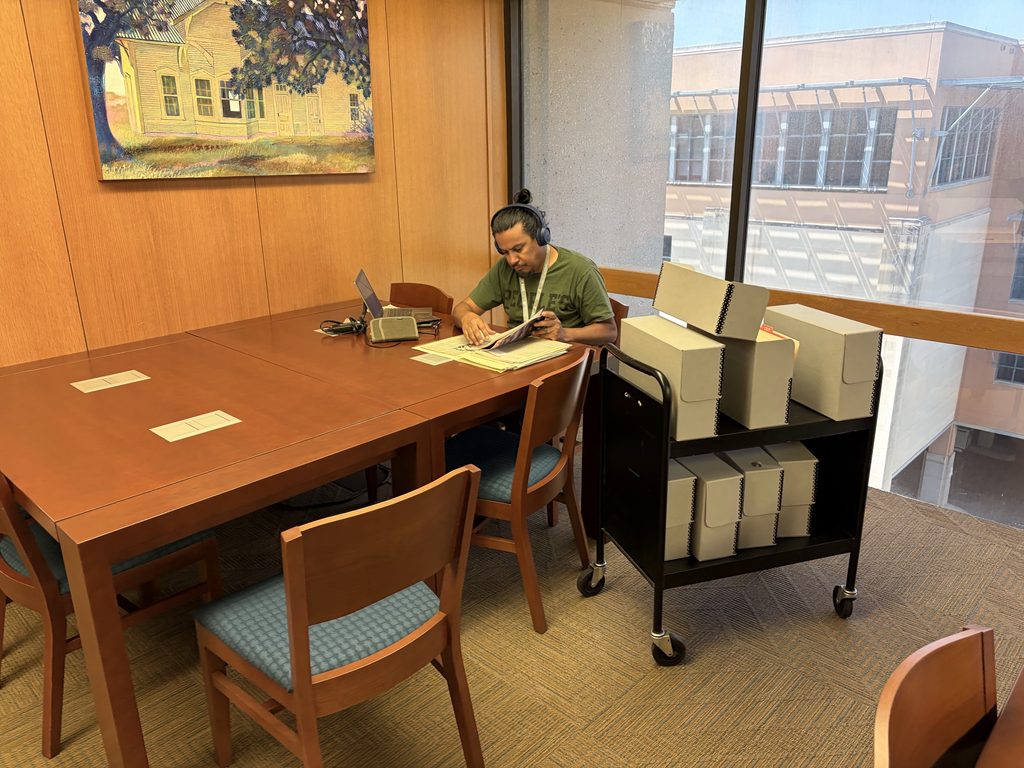
Her collection held everything from handwritten field notes about children collecting ants and how they are prepared, to magazine articles about ingredients she likely knew better than their authors. I initially gravitated toward folders on the scientific names of plants, perhaps hoping to develop some scholarly, science-centered lessons for my elementary students to use in the garden. Instead, I found myself drawn to her correspondence.
In a 2001 letter, Kennedy asked Salvador Arias, a botanical researcher at UNAM, a simple question: “Existe un cactus que es venenoso?” Does a poisonous cactus exist? She was researching a book. I thought about how Diana had acquired the seemingly endless knowledge of Mexican cooking she possessed. She learned it from the people of Mexico. She learned it from the women who planted, grew, and prepared food. I found myself wishing I could have watched her ask those types of questions of the women, regional experts, and keepers of tradition in those kitchens and gardens across Mexico.
Today, we might pull a phone from our pocket and thumb that cactus question into Google. But Kennedy’s letters reminded me that food knowledge has always traveled through human connection, passed from one person to another. Her guestbooks, photo albums, and collection of field notes and correspondence are proof of that.
It redirected my journey through the archive. Rather than focusing on the academic exploration of food, plants, and techniques, I wanted my students to make and strengthen connections with the people who carry food traditions in their own families. In a time when we can type the contents of our pantry into an AI application and ask it to develop a recipe, I want my students to prefer a chat with Grandma.
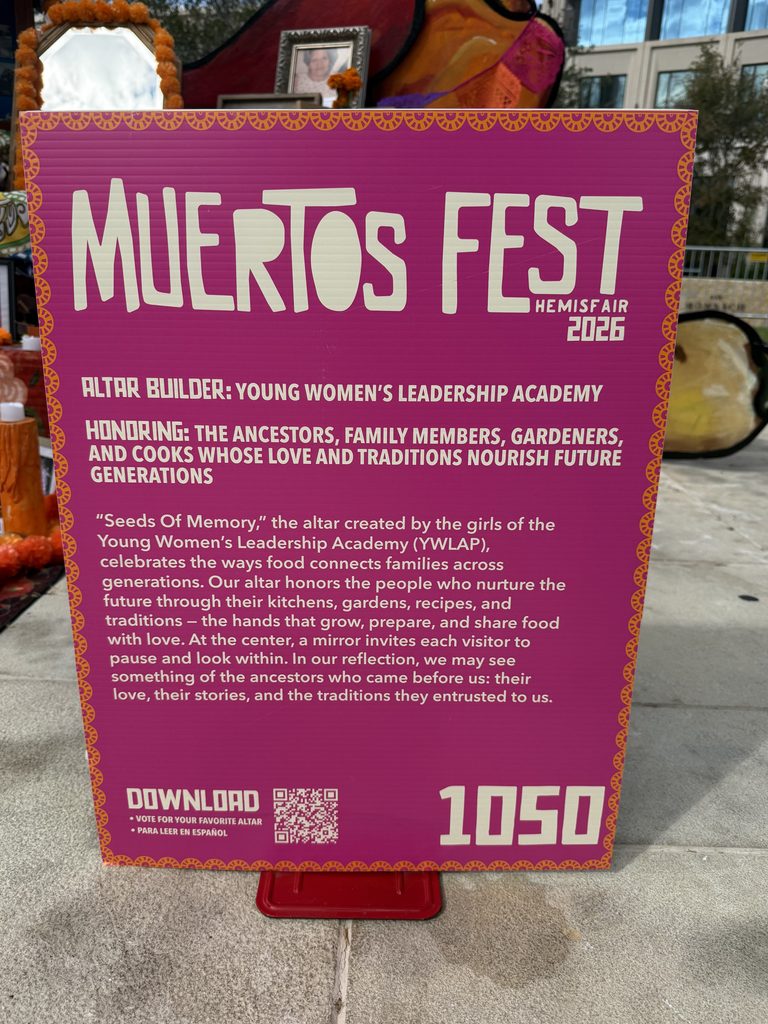
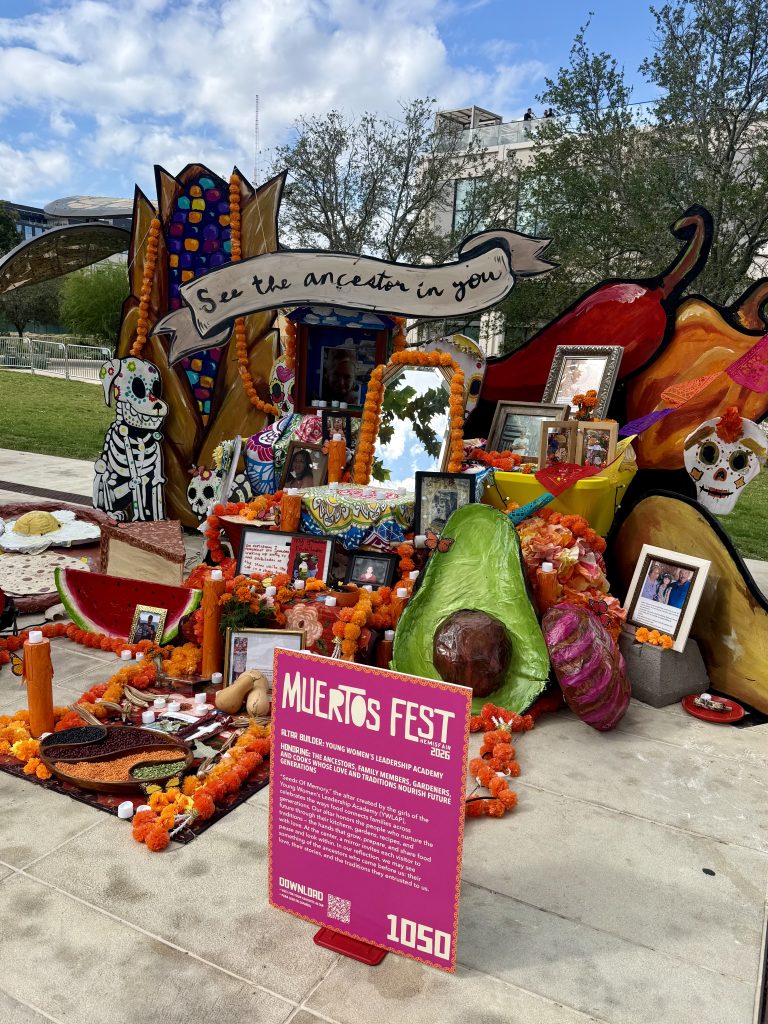
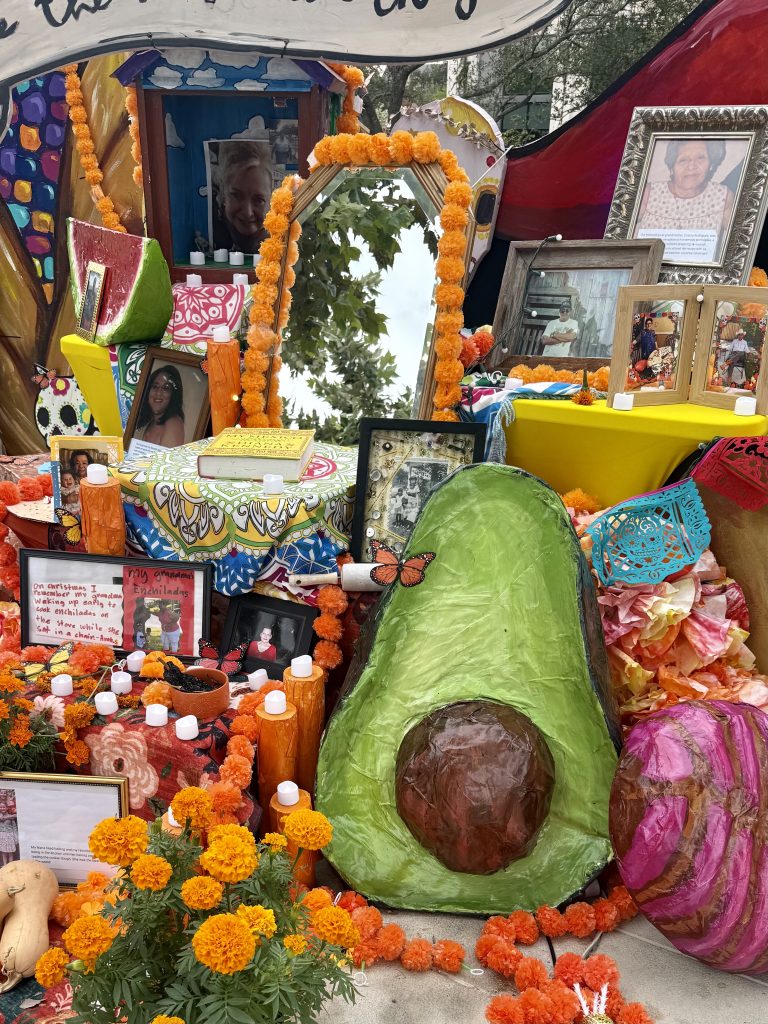
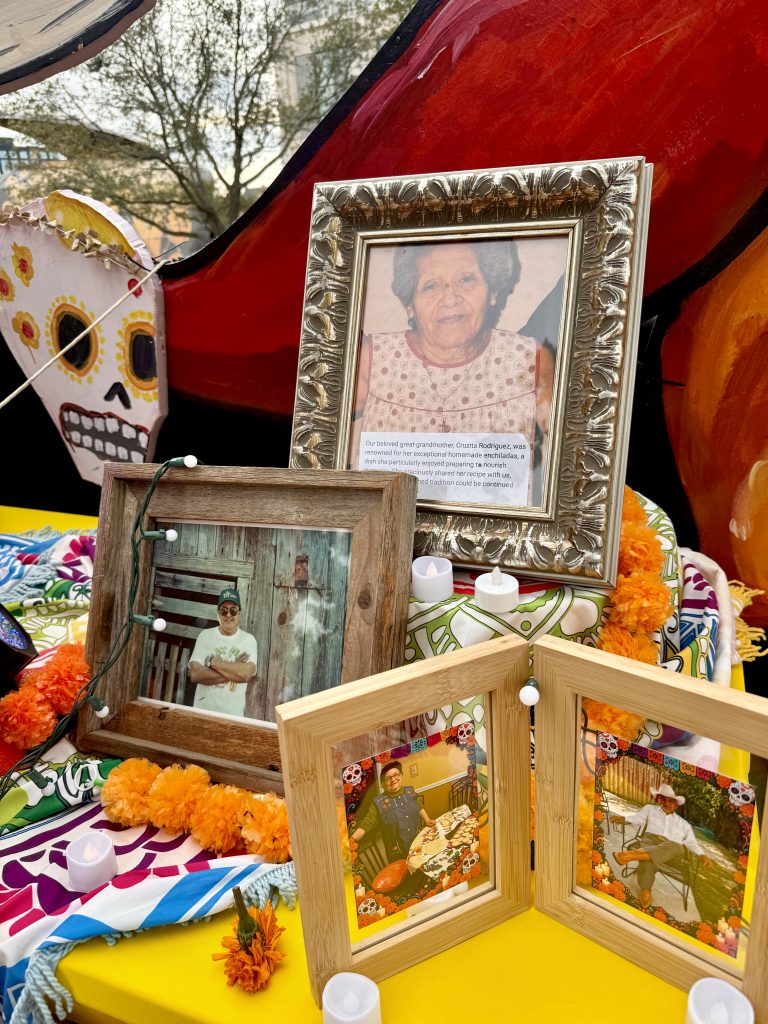
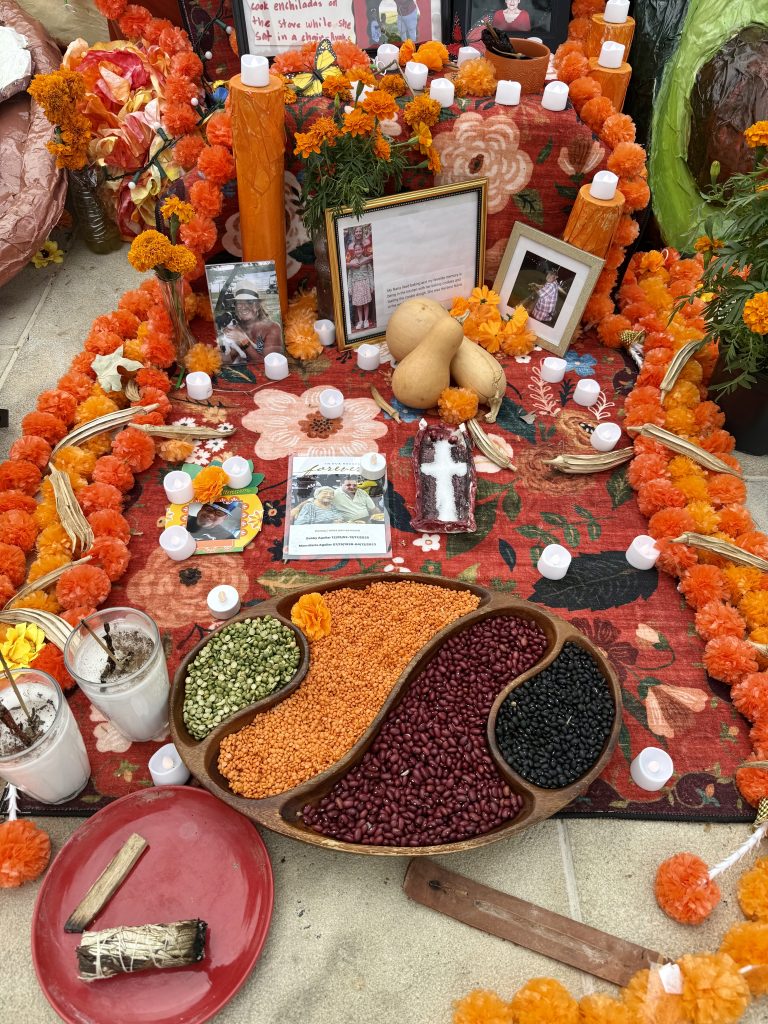
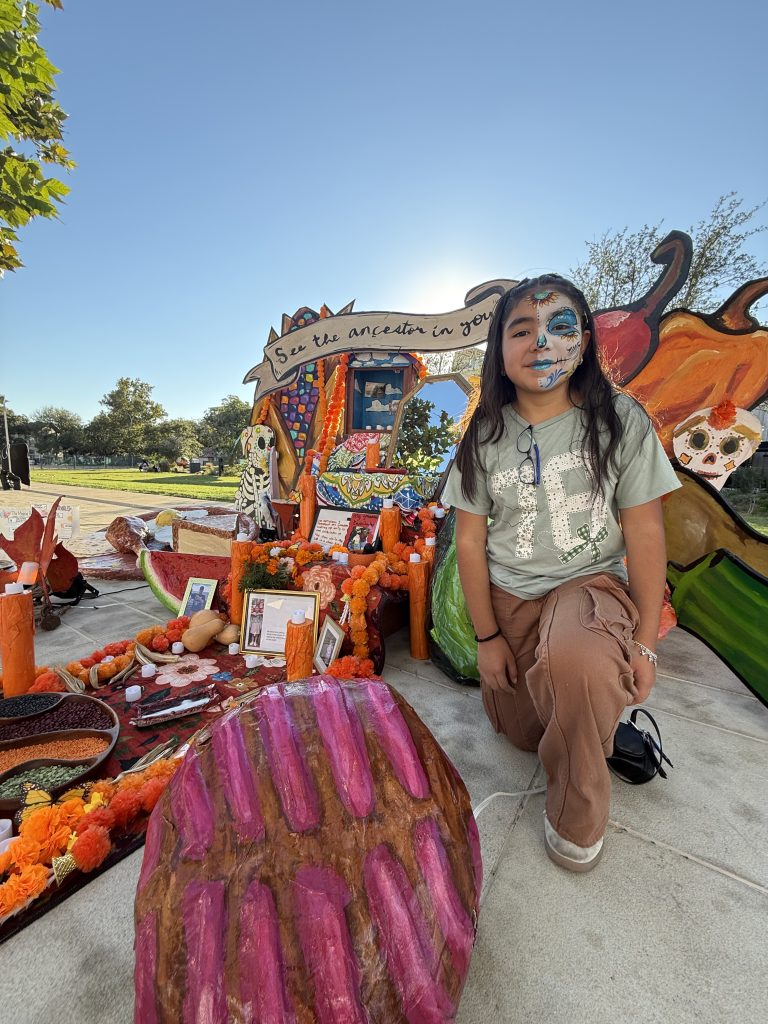
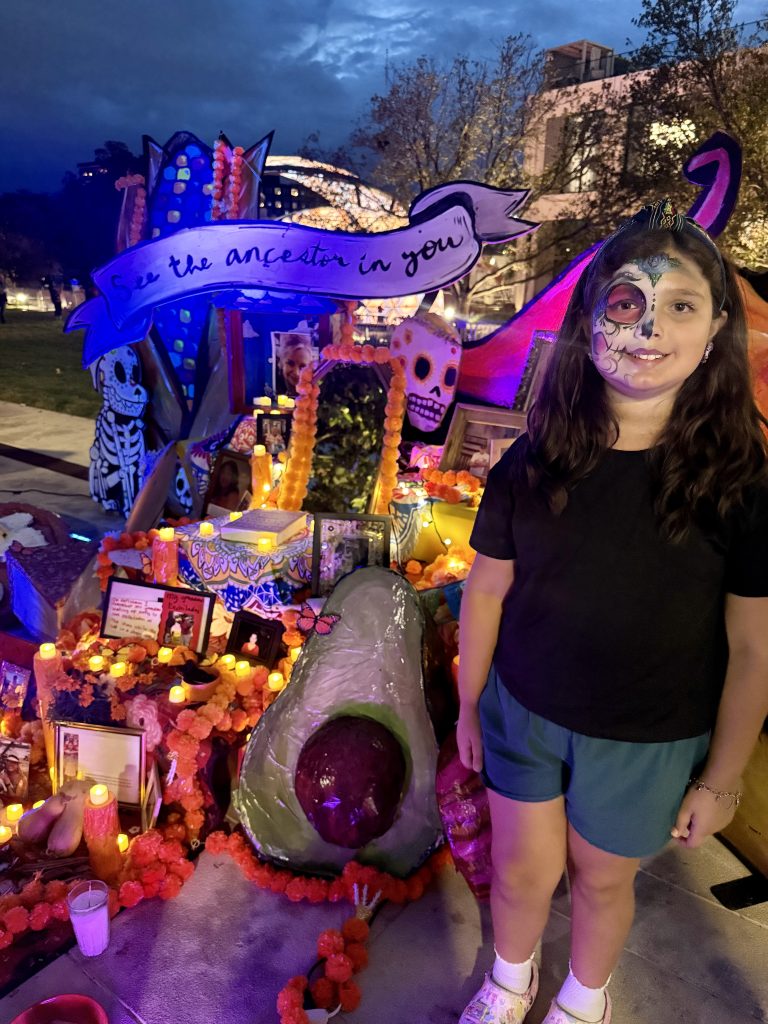
This month, my students at YWLAP [Young Women’s Leadership Academy Primary school in San Antonio, Texas] had those chats with family members about beloved foods and the people who prepared them, especially those no longer with us. Their stories inspired Seeds of Memory, a 10-by-10-foot Altar at this year’s Muertos Fest at Hemisfair Park, designed by our Art Club to resemble an outdoor kitchen and garden.
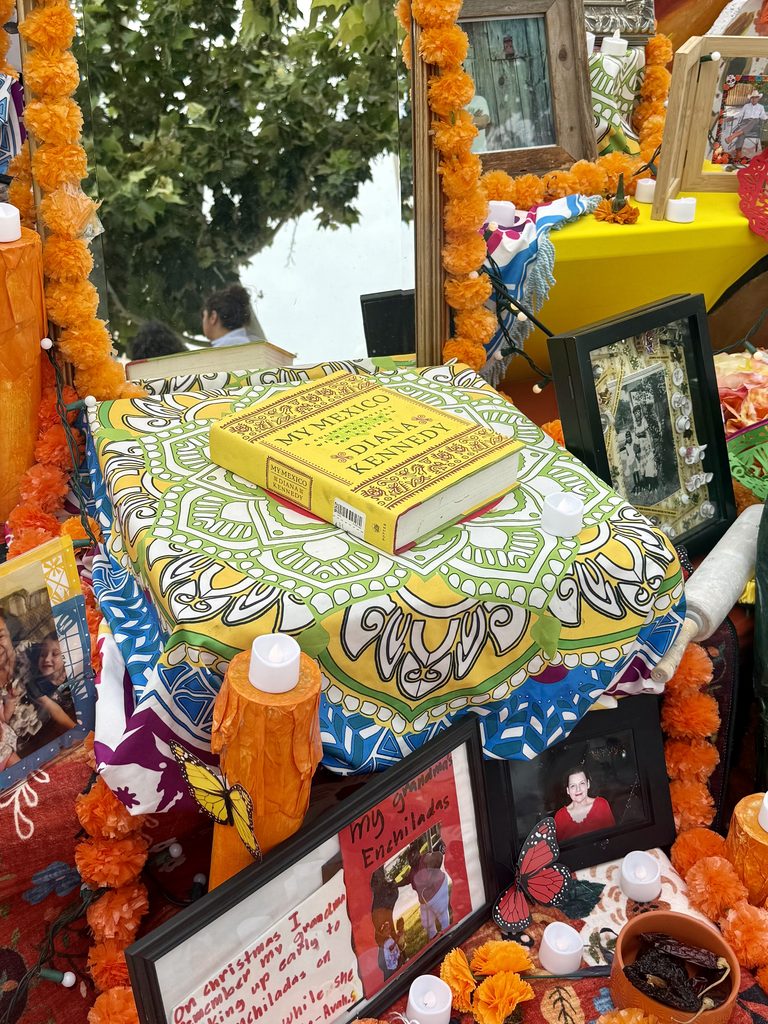
Photographs of loved ones, accompanied by memories of food and time spent in the kitchen, surrounded a central mirror inviting visitors to consider the ancestors who shaped them and the ancestors they may one day become. Under the mirror sat a copy of Kennedy’s My Mexico, a tribute to the inspiration behind the altar.
The girls’ altar won first place in the schools category at Muertos Fest. But the real reward was seeing their family stories become part of a shared space of remembrance. I began this fellowship looking for knowledge I could bring back to my classroom. Diana’s papers reminded me of the people behind that knowledge and of the importance of passing it on. Someday, one of these girls may be the person someone turns to with a simple question about a plant, an ingredient, or a food tradition. I hope she has something to share, a story behind it, and the understanding that what she carries is worth passing on.